


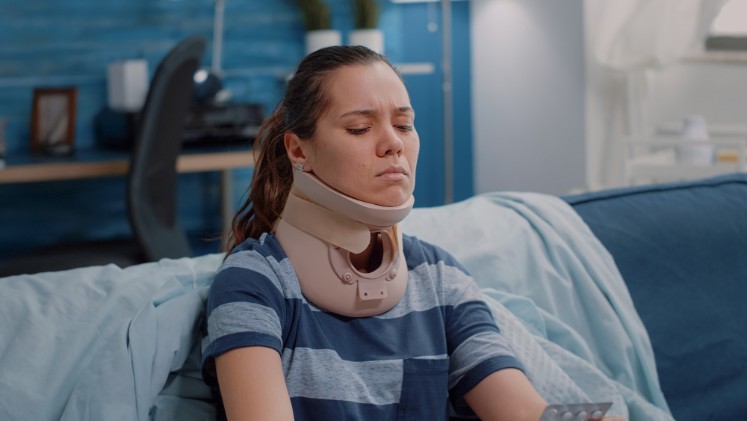
Soft Tissue Injury Compensation for Whiplash and Sprains
Imagine stopping at a red light when another driver rear-ends your vehicle. You feel shaken but unhurt—until the next morning, when neck stiffness makes turning your head excruciating. This delayed onset is characteristic of whiplash, yet it creates immediate confusion about your legal rights. If you’re facing medical bills and missed work, understanding how soft tissue injury compensation works is essential to avoid settling for less than you deserve. This guide explains what these injuries involve, why they’re challenging to prove, and how to navigate insurance coverage, fault rules, and documentation to protect your claim.
What Are Soft Tissue Injuries and Whiplash?
Whiplash is a neck injury caused by forceful, rapid back-and-forth neck movement, according to the Mayo Clinic. This damages soft tissues—ligaments, muscles, and tendons—resulting in a cervical sprain or strain. Medically, whiplash falls under Whiplash-Associated Disorders (WAD), which NCBI StatPearls describes as a diagnosis of exclusion, identified only after ruling out fractures. In car accidents, damage to these soft tissues constitutes the basis for your soft tissue injury claim.
The American Academy of Orthopaedic Surgeons (AAOS) classifies these injuries into three grades. Grade 1 involves mild stretching, Grade 2 involves partial tears with looseness, and Grade 3 represents complete ligament tears with joint instability. While most whiplash cases improve within weeks, the Mayo Clinic notes some cause pain lasting months or years. Severe Grade 3 sprains may require surgery, though this remains rare.
Sprains vs. Strains: Ligaments vs. Muscles and Tendons
Per MedlinePlus, sprains stretch or tear ligaments connecting bones, while strains affect muscles or tendons. Vehicle collisions often cause both simultaneously through sudden neck hyperflexion and hyperextension, which is why your whiplash claim may list both diagnoses.
Understanding Severity Grades and Long-Term Outlook
The AAOS system correlates grades with prognosis. Grade 1 heals conservatively; Grade 3 may need surgery and causes longer disability, countering the “minor injury” misconception that often undervalues these claims.
The Challenge of Proving “Invisible” Neck Injuries
Proving whiplash challenges claimants because these injuries often prove invisible on standard imaging. NCBI StatPearls explains WAD is a diagnosis of exclusion, made only after X-rays rule out fractures. The Mayo Clinic confirms routine X-rays frequently appear normal, though MRI can sometimes detect soft-tissue damage. Normal imaging excludes fractures but doesn’t invalidate torn ligaments causing genuine disability affecting your car accident neck pain compensation.
The Mayo Clinic states symptoms typically start within days rather than immediately, as adrenaline masks pain. This delay complicates early documentation but doesn’t negate your rights. Prognostic indicators predicting worse outcomes include intense early symptoms, limited range of motion, and pain radiating to arms. When emergency physicians apply clinical decision rules like the NEXUS criteria to justify imaging decisions, their systematic evaluation process becomes part of your medical record, demonstrating rigorous protocols rather than guesswork supporting your diagnosis.
What Drives Settlement Value (and Why “Averages” Mislead)
Searching for a reliable “average whiplash settlement” yields inconsistent results because authoritative sources don’t publish universal benchmarks. Your whiplash settlement amount depends on individualized factors: severity grades per AAOS, jurisdictional rules, insurance limits, and documentation quality. Severe Grade 2 or 3 sprains requiring surgery command higher valuations than Grade 1 injuries due to permanent changes and longer disability.
According to NAIC and Cornell LII, recoverable damages include medical expenses, lost wages, pain and suffering, impairment, and lost earning capacity. State variations create dramatic differences: pure comparative negligence allows recovery even at 99% fault; 50% or 51% bar states block recovery if you exceed those thresholds. Minimum bodily injury liability limits may cap your sprain injury compensation regardless of severity.
Economic vs. Non-Economic Damages
Cornell LII distinguishes economic damages—medical bills and lost wages—from non-economic harms like pain and suffering. Economic losses use receipts; non-economic damages require narrative documentation of daily life impacts.
When Surgical Intervention Changes the Valuation
While most injuries heal without surgery, AAOS notes Grade 3 tears or instability may require surgical repair, significantly altering claim valuation through higher economic damages and permanent impairment ratings.
Documenting Your Injury: Evidence That Holds Up
Successfully navigating how to get compensation for whiplash requires evidence-based documentation. Emergency physicians apply the NEXUS criteria per NCBI StatPearls to determine imaging needs, lending credibility to your diagnosis despite normal X-rays.
Modern treatment guidance supports claims when followed. NCBI StatPearls recommends early mobilization as most effective, while the Mayo Clinic warns prolonged bed rest or foam collars slow recovery. Adhering to active rehabilitation strengthens your credibility.
Physical therapy notes tracking specific cervical rotation degrees and flexion limitations create objective evidence. Request that therapists document radicular symptoms extending to your arms. Symptom journals noting pain ratings, sleep quality, and activity restrictions complement clinical records. While MRI can help prove soft tissue injury by revealing ligament tears, consistent documentation of functional loss often proves equally persuasive for your soft tissue injury claim. Photograph any visible bruising, maintain prescription receipts, and obtain written work restrictions to transform subjective complaints into verifiable losses.
Insurance Coverage Layers in the USA: PIP, MedPay, and Liability
Understanding insurance layers is essential for soft tissue injury compensation in the USA. First-party coverages like PIP and MedPay pay regardless of fault, while third-party bodily injury liability requires proving fault.
According to the Insurance Information Institute (III), Personal Injury Protection (PIP) covers medical bills and lost wages. MedPay covers medical expenses regardless of fault but excludes wage replacement. These benefits pay quickly without liability determinations, providing crucial support during initial treatment, though limits often exhaust rapidly when treating higher-grade cervical sprains requiring extensive therapy.
Conversely, Bodily Injury Liability per NAIC covers the at-fault driver’s responsibility for your damages exceeding PIP limits. In no-fault jurisdictions, this transition becomes complicated by statutory thresholds that may prevent accessing liability coverage for non-economic damages unless your medical expenses exceed specific amounts or your injury constitutes “serious impairment.”
No-Fault Thresholds and Pain-and-Suffering Restrictions
Cornell LII explains that no-fault states impose monetary or verbal thresholds restricting pain-and-suffering lawsuits unless injuries meet severity criteria, significantly affecting your compensation strategy.
Uninsured and Underinsured Motorist Coverage
When at-fault drivers lack insurance, UM/UIM coverage per III pays your damages, ensuring compensation remains available even when the liable party cannot pay.
How Fault Rules and Filing Deadlines Can End Your Claim
State fault rules and filing deadlines create rigid boundaries affecting your soft tissue injury compensation. Cornell LII explains comparative negligence reduces damages by your fault percentage. Pure comparative negligence allows recovery even at 99% fault; modified versions bar recovery if you exceed 50% or 51% fault.
Cornell LII identifies contributory negligence as a complete bar to recovery in Alabama, Maryland, North Carolina, Virginia, and Washington, D.C., where even 1% fault prevents compensation.
The statute of limitations varies by jurisdiction and claim type, creating absolute deadlines. Insurance adjusters investigate brake light functionality and seatbelt use to assign partial fault. Documenting that you sought prompt evaluation and followed treatment recommendations helps rebut allegations of contributing to your own damages.
Hiring a Personal Injury Lawyer: Costs and Timing
Deciding when to hire a personal injury lawyer for whiplash requires balancing costs against complexity. Most attorneys work on contingency, where you pay no upfront hourly rates. The American Bar Association states contingency fees typically represent one-third of recovery, though this excludes separate case costs like filing fees and expert witness expenses.
Legal representation proves valuable with disputed liability, severe Grade 2-3 injuries, surgery, or bad-faith tactics. Attorneys shield you from exploitative insurer tactics, such as requesting unlimited medical authorizations or pressuring recorded statements. For minor Grade 1 injuries resolving within weeks, self-representation may suffice if you understand the statute of limitations. Consult counsel before deadlines if symptoms persist, fault is unclear, or you’re navigating no-fault thresholds. Most offer free consultations to assess whether representation cost-effectively increases your net recovery.
Immediate Steps to Protect Your Soft Tissue Claim
Taking immediate action protects your soft tissue injury claim, even when symptoms delay. Yes, you can claim compensation if symptoms started days later, provided you document the timeline and receive care promptly.
Seek medical evaluation immediately, even feeling unhurt. The Mayo Clinic confirms symptoms often start within days. Inform providers about the crash mechanism.
Follow modern treatment: avoid prolonged bed rest or collars, which the Mayo Clinic warns slow recovery. Pursue early mobilization per NCBI StatPearls.
Document functional limitations daily through journals noting pain ratings, specific triggers like checking blind spots, and sleep quality. Photograph any visible injuries immediately. Notify your insurer promptly but avoid recorded statements. Obtain the police report number for objective documentation. Verify your statute of limitations and consult counsel before deadlines to preserve evidence supporting how to get compensation for whiplash.
Securing fair compensation requires understanding both medical and legal landscapes. Remember: normal imaging doesn’t invalidate pain, state fault rules dramatically affect recovery, and thorough documentation transforms invisible injuries into verifiable claims. If you experience persistent neck pain or radicular symptoms after a crash, consult medical providers and qualified attorneys to maximize your recovery. Take immediate steps to document your condition, avoid outdated immobilization treatments, and understand your insurance coverage layers to ensure you don’t leave compensation on the table.